Thinking about planting roots east of Nashville and wondering what daily life in Mt. Juliet feels like? You are not alone. Many buyers look at 37122 for its convenient location, newer neighborhoods, and easy access to parks and the airport. In this guide, you will get a clear picture of commutes, shopping and services, outdoor recreation, pace of life, and how Mt. Juliet compares to other nearby suburbs. Let’s dive in.
Where Mt. Juliet fits in Middle Tennessee
Mt. Juliet sits along I-40, about a half-hour east of downtown Nashville depending on traffic and start point. The city has grown quickly since 2010 as new communities and commercial corridors expanded toward the interstate. Population sits in the high 30,000s to around 40,000 based on recent census counts. You will see active development along major roads, with infill and revitalization closer to the historic town center.
Housing and neighborhood feel
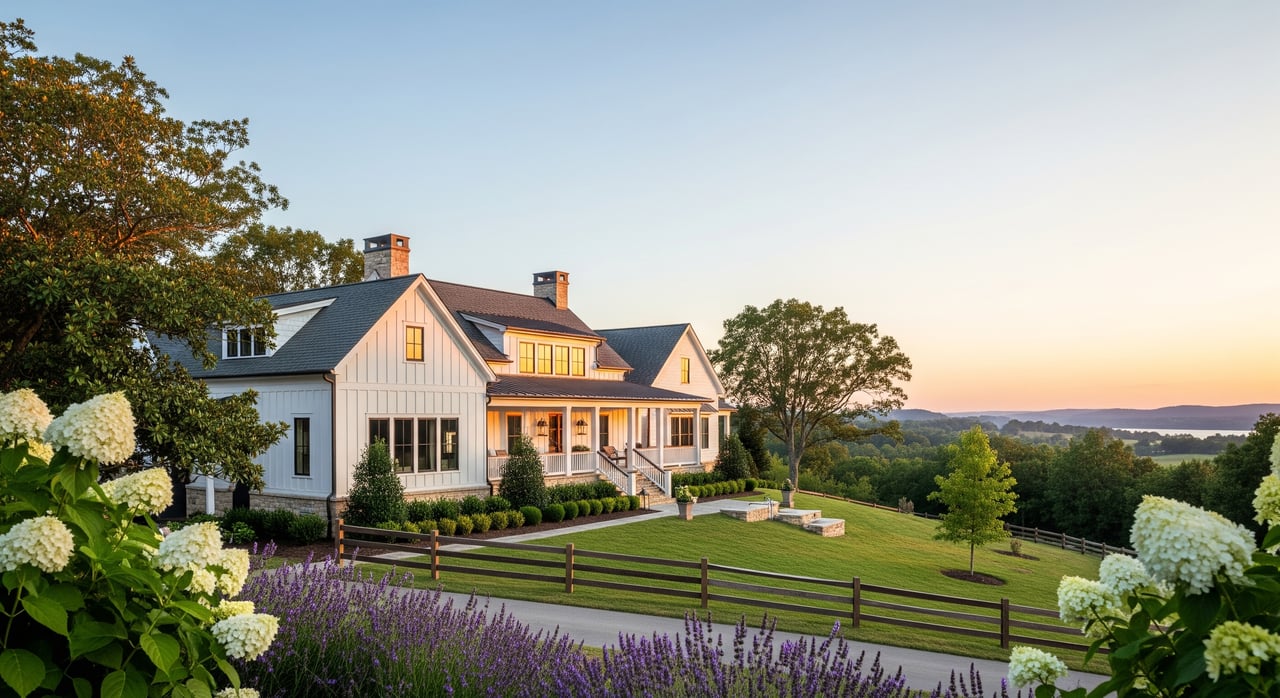
Most homes here are single-family, with a growing mix of townhomes and a smaller number of condos. Newer subdivisions often feature HOA amenities like pools, playgrounds, and walking paths. Closer to the historic center you will find older streets, smaller lots, and pockets that feel more walkable.
Many buyers choose Mt. Juliet for a suburban lifestyle with room to spread out. Common profiles include Nashville commuters, families seeking yards and neighborhood amenities, buyers upsizing from city rentals, and some retirees interested in a quieter pace. Pricing trends have climbed over the past decade due to demand and proximity to downtown, and Mt. Juliet is generally more affordable than Franklin or Brentwood while often pricier than more rural areas toward Lebanon. For exact pricing, use current MLS data because conditions change quickly.
Everyday vibe and community rhythm
Day to day, Mt. Juliet moves at a calmer pace than urban Nashville. Weekdays are steady with work commutes and school routines. Evenings and weekends pick up with local dining, youth sports, and community events. The city hosts seasonal markets, festivals, and outdoor gatherings at parks and around the historic downtown core.
The result feels community-focused without losing access to bigger-city services. You will see a balance of national retailers near the interstate and independent shops and dining near the town center.
Commutes and getting around
I-40 is the primary corridor into Nashville. Morning traffic typically stacks up westbound into the city and eastbound in the evening. Your commute can vary widely based on departure time and destination, so plan around peak windows. The American Community Survey suggests many suburban commuters see one-way times in the 25 to 40 minute range, but real-world travel can run shorter or longer.
There is regional commuter rail in the corridor, historically called the WeGo Star, with a station serving the area. Service levels and schedules can change, so check current operator announcements if rail is part of your plan. Local bus options are limited compared with urban Nashville, and many residents rely on carpooling, rideshare, or employer shuttles.
Airport access is straightforward. Nashville International Airport is typically a 20 to 40 minute drive depending on route and traffic.
Tip: For commute planning, rely on live tools like mapping apps, especially during rush hour or weather events.
Shopping, dining, and services
Most daily errands cluster near the I-40 exits that serve Mt. Juliet. You will find grocery stores, pharmacies, big-box retail, banks, fitness options, and a range of chain and casual restaurants. The historic downtown core offers locally owned shops and restaurants, which are great for weekend browsing and supporting local businesses.
Dining skews casual and family friendly. Coffee shops and a modest taproom scene are here, but nightlife is quieter than downtown Nashville. If late-night entertainment is a priority, you will likely head into the city for larger music venues or after-hours spots.
Healthcare needs are covered by local clinics and urgent care centers in town. Full-service hospitals and specialty care are within reach in nearby Lebanon and across Nashville. Confirm network coverage with your insurance provider and check exact distances from your preferred neighborhood.
Parks and outdoor recreation
Mt. Juliet maintains parks with playgrounds, sports fields, walking paths, and open green space. These parks serve as regular hubs for community events and youth sports. Many newer subdivisions add HOA pools, pocket parks, and internal trails for everyday exercise.
Regional outdoor options are a standout. You can get to Old Hickory Lake and the Cumberland River for boating, fishing, and picnicking. Long Hunter State Park and Cedars of Lebanon State Park are within a reasonable drive and offer hiking trails, lake access, and wildlife viewing. If you prefer two wheels or a jog, greenway connections are growing across the area, though they are not as extensive as in some larger metros.
Schools and childcare
Mt. Juliet is served by Wilson County Schools, with elementary, middle, and high schools zoned for local neighborhoods. School performance varies by campus, so review the Tennessee Department of Education report cards, Wilson County Schools resources, and independent school data sites for the latest metrics. Private and faith-based schools, along with preschool and Montessori options, are available in the broader area.
For higher education, community colleges and universities in the Nashville region are within commuting distance. If campus access matters, map drive times from specific neighborhoods during peak commuting windows.
Practical living essentials
Safety in Mt. Juliet reflects a suburban community profile and varies by neighborhood. For detailed comparisons, review local police department crime maps and neighborhood-level data. Pair that with a daytime and nighttime drive-by when you begin focusing on specific streets.
Utilities are typical of established suburbs. You can expect electricity, water and sewer service, trash pickup, and multiple broadband providers in developed corridors. Availability can differ by address, so confirm during contract due diligence.
Taxes are a common question for relocators. Tennessee does not tax wage income. Local property and sales taxes apply, and rates are set at the county and city level. Check Wilson County resources for current property tax information when you run affordability scenarios.
Weather runs humid subtropical. Summers are hot and humid, and winters are generally mild with occasional cold snaps. Severe thunderstorms can occur, and low-lying areas can see localized flooding. Use FEMA flood maps and local planning resources to evaluate flood risk for any specific property.
How Mt. Juliet compares
- Versus Brentwood and Franklin: Expect generally lower home prices in Mt. Juliet, more new development, and a longer commute into downtown Nashville than some south-side locations. Brentwood and Franklin have mature upscale retail and corporate campuses that draw many workers.
- Versus Hendersonville: Hendersonville sits north on Old Hickory Lake with a more lake-centric feel. Mt. Juliet is oriented along the I-40 east corridor with similar family appeal and a growing retail base.
- Versus Lebanon and Gallatin: Lebanon is close and has more rural stretches with pockets that can be more affordable but may offer fewer immediate retail options. Gallatin has its own downtown and lake access. Price and lifestyle vary by neighborhood in each city.
In short, Mt. Juliet often feels like a middle ground east of Nashville. You get newer housing, strong shopping convenience, and manageable regional access without the premium pricing of the most expensive suburbs.
Who loves living here
- You want a newer-home feel with HOA amenities and neighborhood parks.
- You commute to Nashville but prefer a calmer suburban base town.
- You enjoy weekends on the water, quick state park access, and youth sports.
- You like having big-box convenience near the interstate with a small-town main street for local flavor.
If most of these fit, Mt. Juliet likely belongs on your shortlist.
Buying in 37122 with a relocation plan
Relocating is about more than closing on a house. You want a process that gets you from offer to move-in without friction. That is where concierge support matters. With a founder-led approach, you can lean on a VIP vendor portal, utilities onboarding, preferred pricing with lending, title, and movers, and hands-on transaction management that compresses time to occupancy. Corporate relocation capabilities also help employers and HR teams move people quickly and predictably.
If you are comparing several Nashville suburbs, map commute windows, school zoning, floodplain considerations, and nearby parks for each. Then pair that with on-the-ground touring at different times of day. A clear plan will help you spot the right home and neighborhood faster.
Ready to start? Book your relocation consultation with Misty Maynor and get a local, concierge-style plan for Mt. Juliet and the nearby suburbs.
FAQs
How long is the commute from Mt. Juliet to downtown Nashville during rush hour?
- Commute times vary widely with traffic and exact start and end points, and many suburban commuters see 25 to 40 minute one-way averages, so use live mapping tools for your schedule.
What are the main shopping areas in Mt. Juliet for everyday errands?
- Most grocery stores, pharmacies, and big-box retailers cluster near the I-40 exits that serve Mt. Juliet, with independent shops and dining near the historic town center.
Is Mt. Juliet walkable or will I need a car for daily life?
- The historic downtown is walkable for dining and small shops, but most daily errands are car-dependent along suburban corridors.
What outdoor recreation is close to Mt. Juliet?
- You have easy access to city parks, Old Hickory Lake and the Cumberland River, plus Long Hunter State Park and Cedars of Lebanon State Park for hiking and nature.
How do schools work in Mt. Juliet and where can I find ratings?
- Wilson County Schools serves the area, and performance varies by campus; consult Tennessee Department of Education report cards and district resources for current metrics.
How do housing prices in Mt. Juliet compare to other Nashville suburbs?
- Mt. Juliet is typically mid-range, generally more affordable than Brentwood or Franklin and often higher than more rural towns eastward, but confirm current pricing with live MLS data.